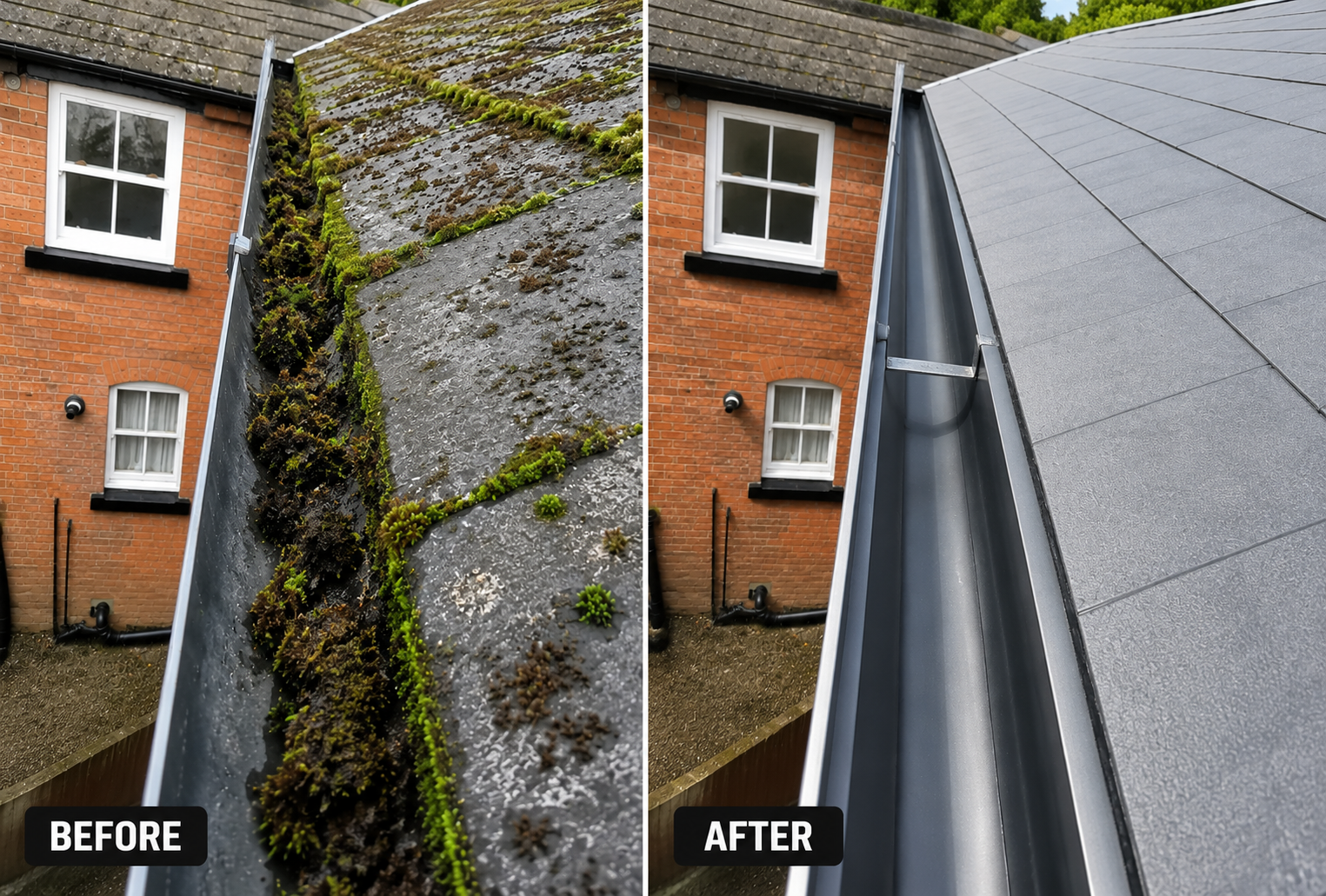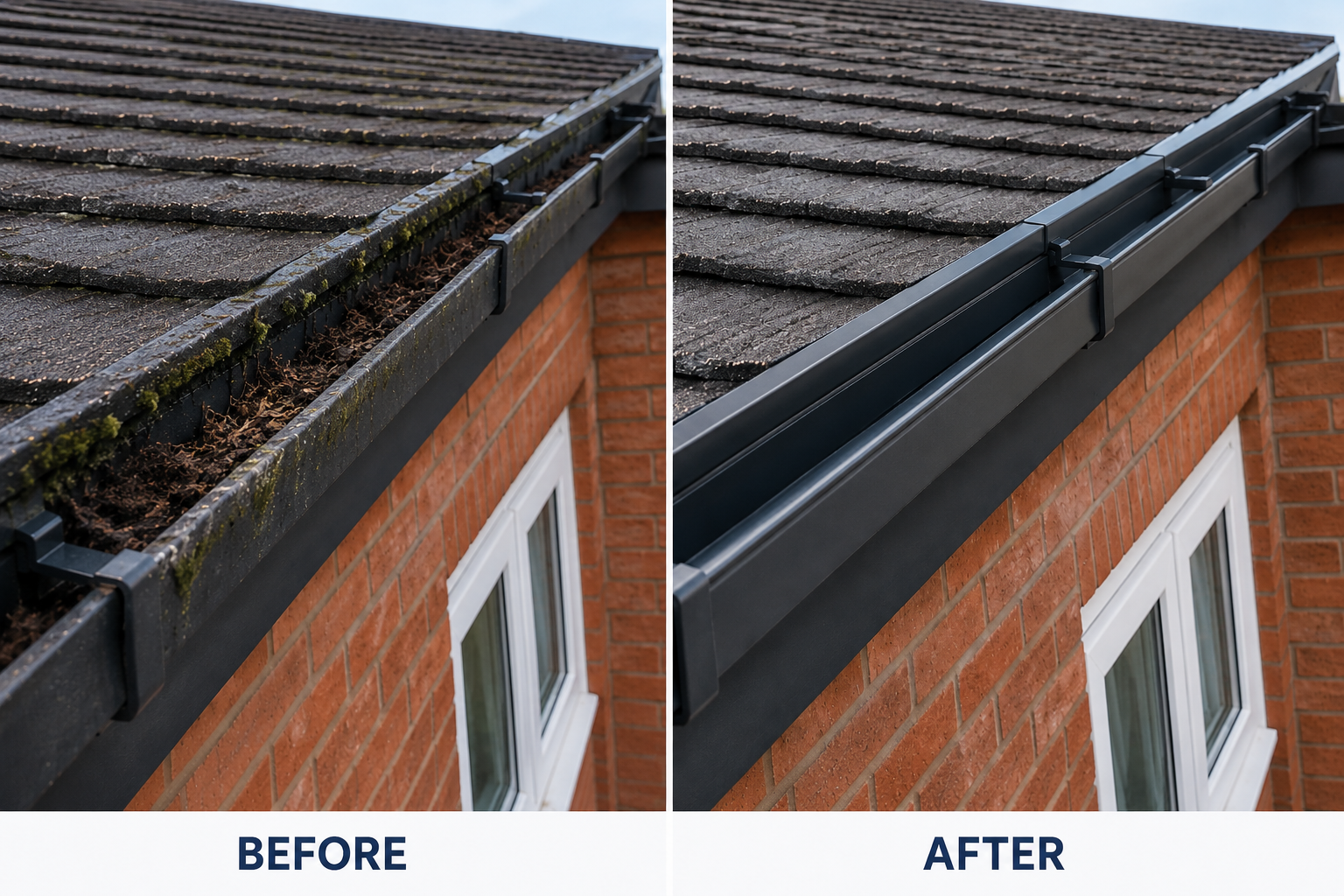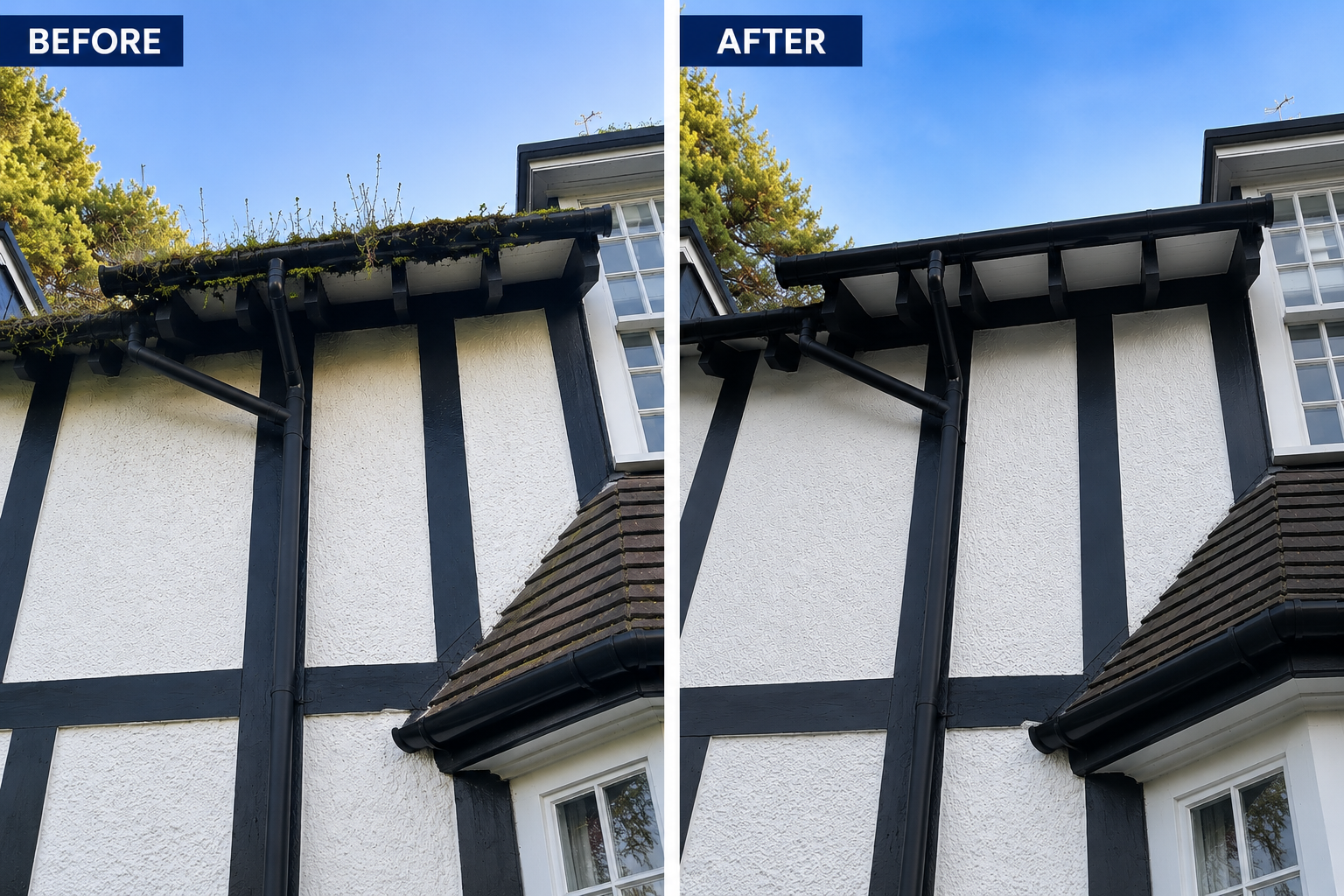

Water damage doesn't arrive suddenly. It accumulates.
By the time a damp patch appears on a bedroom ceiling, a musty smell settles permanently into a landing, or a fascia board finally gives way and pulls a section of gutter down with it, the actual damage has usually been building for months, and in some cases years. What looks like a sudden failure is almost always the final, visible stage of a slow process that began quietly at the roofline and has been storing itself inside the building fabric ever since, waiting for the right conditions to finally surface.
This article is a genuine self-audit. If you own a property anywhere across Birmingham or the wider West Midlands, this is how to find out whether your home is currently one of the many quietly accumulating water damage right now, without you knowing it — and what to do before that hidden accumulation reaches the point of becoming visible, structural, and expensive.
📞 WOW Gutters Ltd — Birmingham's gutter cleaning specialists: 07421 433910
📞 Is your home quietly storing water damage right now?
WOW Gutters Ltd — Birmingham's gutter cleaning specialists.
Call 07421 433910 — free quote, same-week availability.
💬 WhatsApp: wa.me/447421433910
Table of Contents
- Why Water Damage Is Always a Storage Problem, Not an Event
- The Five Places Damage Accumulates Without Being Seen
- Why This Happens to So Many West Midlands Properties Specifically
- The Self-Audit: What to Check on Your Property Right Now
- What Happens Once Storage Capacity Runs Out
- How to Find Out for Certain, Rather Than Guessing
- FAQ: Checking for Hidden Water Damage
1. Why Water Damage Is Always a Storage Problem, Not an Event
The mental model most homeowners carry about water damage is that it happens suddenly — a pipe bursts, a storm overwhelms the drainage, a leak appears out of nowhere. Genuine sudden events do happen, but they're a small minority of the water damage cases we encounter across Birmingham and the West Midlands.
The far more common pattern is gradual accumulation. A small defect in the gutter system — a joint that has begun to fail, a bracket that has dropped slightly, a downpipe carrying a partial blockage — introduces a small, consistent amount of misdirected water into the building fabric every time it rains. Individually, each rainfall event contributes an almost negligible amount of moisture. But Birmingham and the wider West Midlands receive consistent rainfall across most of the year, and that consistency means the small contributions compound rather than dry out fully between events.
Timber has a certain capacity to absorb moisture and still recover if given the chance to dry out. Mortar and brickwork have a similar tolerance. Every material involved in a typical roofline and wall system can handle occasional wetting without lasting harm, provided the wetting is infrequent enough to allow proper drying between events. The problem begins when the wetting becomes frequent enough, and the drying periods short enough, that the material's moisture level simply keeps climbing rather than returning to baseline.
This is what "storing" water damage actually means. It's not a single event you'd notice. It's a slow accumulation, rainfall event by rainfall event, in a component of your home that's designed to handle occasional dampness but not sustained, repeated saturation. And because each individual contribution is so small, there's no single moment where you'd notice anything happening — right up until the accumulated total finally exceeds what the material can handle, and the damage becomes visible all at once.
Read more: Can Blocked Gutters Cause Damp? · The One Home Maintenance Task Birmingham Homeowners Consistently Miss Each Summer
2. The Five Places Damage Accumulates Without Being Seen
Almost every case of stored water damage across Birmingham and the West Midlands traces back to a gutter system that stopped functioning correctly at some point, without anyone noticing the moment it happened. From there, the accumulated moisture typically finds its way into one of five specific locations, each with its own particular pattern of silent accumulation.
Behind the fascia board.
This is the most common and often the first place accumulation begins. A failing gutter joint directs water down the back of the fascia board — the side facing the wall, invisible from any normal viewing angle — with every rainfall event. The front of the board, the part you'd actually see if you looked up, can remain looking completely normal for a considerable time while the back face and the timber core behind it steadily absorb moisture they were never designed to hold.
Inside the wall cavity, behind external brickwork.
Water overflowing a blocked or structurally compromised gutter runs down the external wall face, gradually saturating the mortar joints and, in some cases, working its way through to the cavity behind. This process is genuinely slow — brickwork and mortar have real moisture tolerance — but repeated saturation over multiple seasons erodes that tolerance progressively, eventually creating pathways for penetrating damp to reach an internal wall surface.
At the base of the foundations.
A downpipe that has come loose from its intended discharge point, or one that's depositing water too close to the building rather than carrying it away to proper drainage, creates a specific zone of repeatedly saturated ground directly against the foundation. In the clay-heavy soils found across parts of the West Midlands, this kind of localised, repeated saturation contributes to ground movement risk over an extended period — a slow accumulation with genuinely serious long-term consequences.
Behind painted surfaces on fascia and soffit boards.
Paint is not fully waterproof, and moisture reaching the timber beneath it from an internal source — water that has already tracked in from a joint failure or overflow — shows up eventually as paint lifting, bubbling, or discolouring from beneath. This is often visible before the timber itself shows obvious external signs of deterioration, making it one of the more useful early indicators if you know to look for it.
Within the roof void, in cases of prolonged and severe neglect.
This is less common on residential properties than on large commercial buildings, but it does occur, particularly where a roofline has been neglected for multiple consecutive years. Water that has been finding its way past a compromised gutter and roof edge for an extended period can eventually reach the roof felt and the timber structure beneath it, representing the most serious and expensive category of accumulated damage.
🔍 Water damage doesn't announce itself. Find it before it finds you.
Our summer inspections use real-time camera technology to check what's actually happening behind your fascia boards and inside your downpipes — before the accumulation becomes visible and expensive.
📞 07421 433910 · 💬 wa.me/447421433910
3. Why This Happens to So Many West Midlands Properties Specifically
The general mechanism of stored water damage applies everywhere, but several characteristics of Birmingham and West Midlands properties specifically make this accumulation both more likely to occur and more likely to go unnoticed for an extended period.
A substantial proportion of older housing stock.
Victorian and Edwardian terraces across areas including Bournville, Selly Oak, Handsworth, Sparkhill, and Perry Barr commonly retain original or early-replacement cast iron gutter systems. These systems, while durable when properly maintained, carry joint seals with a finite service life — and a significant number of these properties currently have at least one joint that has exceeded that service life without the owner being aware of it.
Mature tree canopy across large parts of the region.
Streets across Edgbaston, Harborne, Moseley, Bournville, and Sutton Coldfield sit beneath significant tree cover that deposits debris into gutter systems for much of the year rather than only during a defined autumn window. This accelerated debris accumulation compounds the effect of any existing structural defect, meaning problems progress from minor to significant more quickly than they would on a property with less overhead vegetation.
Consistent, year-round rainfall.
Unlike parts of the UK with more pronounced dry seasons, Birmingham and the surrounding West Midlands receive reasonably consistent rainfall across most months of the year. This means any gutter defect gets tested and exploited more frequently, and the drying periods between rainfall events tend to be shorter — reducing the opportunity for accumulated moisture in timber or brickwork to properly dissipate before the next contribution arrives.
Clay-heavy soil composition in parts of the region.
Several areas across the West Midlands sit on clay soils that are particularly sensitive to moisture content changes. Repeated, localised saturation at the base of a building's foundations from a poorly discharging downpipe carries genuine long-term risk in these specific soil conditions, more so than it would in areas with more free-draining ground.
Taken together, these factors mean the accumulation process described in this article isn't a rare or unusual risk for West Midlands properties. It's a genuinely common occurrence, quietly present on a meaningful proportion of properties across the region at any given time.
See also: Hidden Gutter Damage Is Easier to Spot in Summer · What Your Gutters Are Trying to Tell You This Summer
4. The Self-Audit: What to Check on Your Property Right Now
Here is a practical, step-by-step check you can carry out on your own property today, without any specialist equipment, to get a genuine sense of whether hidden accumulation may already be underway.
Step one: examine the wall directly beneath your gutter line.
Look specifically for a vertical stain running in a distinct, straight line from the gutter edge downward. This is different from general weathering, which tends to be diffuse across a wall surface rather than concentrated in one specific vertical band. A distinct straight stain indicates repeated overflow at that exact point over an extended period.
Step two: check the fascia board for any localised discolouration.
The fascia should be a consistent colour along its full length. A darker patch at one specific location, particularly one that looks slightly different in sheen or texture from the surrounding board, is typically the visible evidence of a joint failure directly above it, tracking water down onto that spot with every rainfall event.
Step three: notice whether any upstairs room has developed a faint musty smell.
Particularly one that seems more noticeable on humid days and has no obvious internal source. This is frequently the earliest detectable sign of external moisture reaching the building fabric, often appearing well before any visible staining shows on an internal wall surface.
Step four: listen to your downpipes during the next light rain shower.
A properly functioning downpipe carries water through to the outlet almost silently. A gurgling, spluttering, or intermittent sound indicates a partial blockage that is currently functional in light rain but will very likely fail completely under the heavier, sustained rainfall of autumn.
Step five: check whether puddles form repeatedly in the same location near your property.
Recurring puddles in one specific spot after rainfall, rather than draining away and disappearing within a reasonable time, typically indicate a downpipe outlet discharging incorrectly, depositing water in a location it shouldn't be reaching.
Step six: honestly consider when your gutters last had a proper professional inspection.
Not simply a debris clear, but an actual structural assessment of joints, brackets, and fascia condition. If you genuinely cannot remember, or if it has been more than a year or two, that alone is a legitimate reason to book an inspection now rather than continuing to assume everything is fine.
If you identified even one of these signs during this self-audit, it's worth treating as a priority. If you identified two or more, your property may already be storing meaningful water damage that a professional inspection would confirm and address before it progresses further.
Book now: Late Summer Gutter Maintenance: Prepare Your Home for Autumn · Why Every Birmingham Home Needs a Gutter Health Check This Summer
5. What Happens Once Storage Capacity Runs Out
The trajectory from hidden accumulation to visible, expensive damage follows a remarkably consistent pattern across the properties we've assessed and worked on throughout Birmingham and the West Midlands.
A joint failure begins quietly, often during spring when seasonal temperature changes stress ageing sealant. Throughout the following months, the leak is small enough and rainfall light enough that no visible overflow occurs, and the homeowner continues to assume everything is fine. Behind the fascia board, however, moisture accumulates steadily with every rainfall event, and the timber's absorption capacity is gradually consumed.
By the time autumn's heavier, more sustained rainfall arrives, the fascia board has already been absorbing moisture for several months without adequate opportunity to dry between events. The timber, now saturated well beyond its normal working moisture content, begins to visibly soften. What would have been a simple, inexpensive joint reseal back in early summer has become a genuine fascia board replacement — typically running £400 to £900 on a standard Birmingham semi-detached property, once the necessary gutter removal and refit required to access the damaged board is factored into the cost.
In more severe or prolonged cases, the accumulated moisture progresses further. The bracket fixings into the now-compromised fascia board lose their secure purchase, and the gutter section they support begins to sag or pull away from the wall entirely. Water that was previously tracking silently behind the fascia now has an open path to run down the external wall in visible quantities, accelerating brickwork deterioration and, eventually, creating the penetrating damp pathway that shows up as a damp patch on an internal wall.
At every stage of this trajectory, the accumulated damage was invisible to a casual glance until the moment it finally exceeded the material's capacity to absorb it silently. This is precisely why waiting for a visible symptom before acting means, by definition, waiting until the damage has already progressed considerably further than it needed to.
Read more: How Professional Gutter Cleaning Extends the Life of Your Roofline
6. How to Find Out for Certain, Rather Than Guessing
The self-audit above will identify obvious warning signs, but the only way to know your property's actual condition with certainty is a proper professional inspection carried out in the right conditions.
Dry summer weather is specifically valuable for this purpose. A failing joint that would be completely masked by general surface moisture during autumn rainfall shows as a precise, unambiguous stain on a dry fascia board. A dropped bracket creating a permanent low point is identifiable from the specific biological growth pattern that only becomes visible when everything around it is dry. Early-stage fascia softening is immediately distinguishable from sound timber when the surface is dry, but genuinely ambiguous when everything is wet from rainfall.
A proper inspection also includes elements that a visual self-audit simply cannot replicate. Real-time camera inspection of the gutter channel interior reveals silt accumulation, hairline cracks, and downpipe inlet condition that aren't visible from ground level under any circumstances. A flow test on every downpipe outlet confirms actual drainage capacity rather than relying on the absence of visible overflow as an assumed proxy for proper function.
Booking this kind of inspection now, while summer conditions still allow for accurate assessment, gives you a genuine, evidence-based answer to the question this article opened with — rather than continuing to operate on an assumption that, as this article has explained, is frequently wrong.
See also: How Dry Summer Weather Makes Gutter Inspections Easier · Beat the Autumn Rush: Book Your Summer Gutter Cleaning Early
7. FAQ: Checking for Hidden Water Damage
Find Out Before It Finds You
Water damage doesn't announce itself. It accumulates quietly, in the parts of your home you never look at directly, until the day it finally becomes impossible to ignore. By then, the cost of addressing it has usually multiplied considerably beyond what preventing it would ever have required.
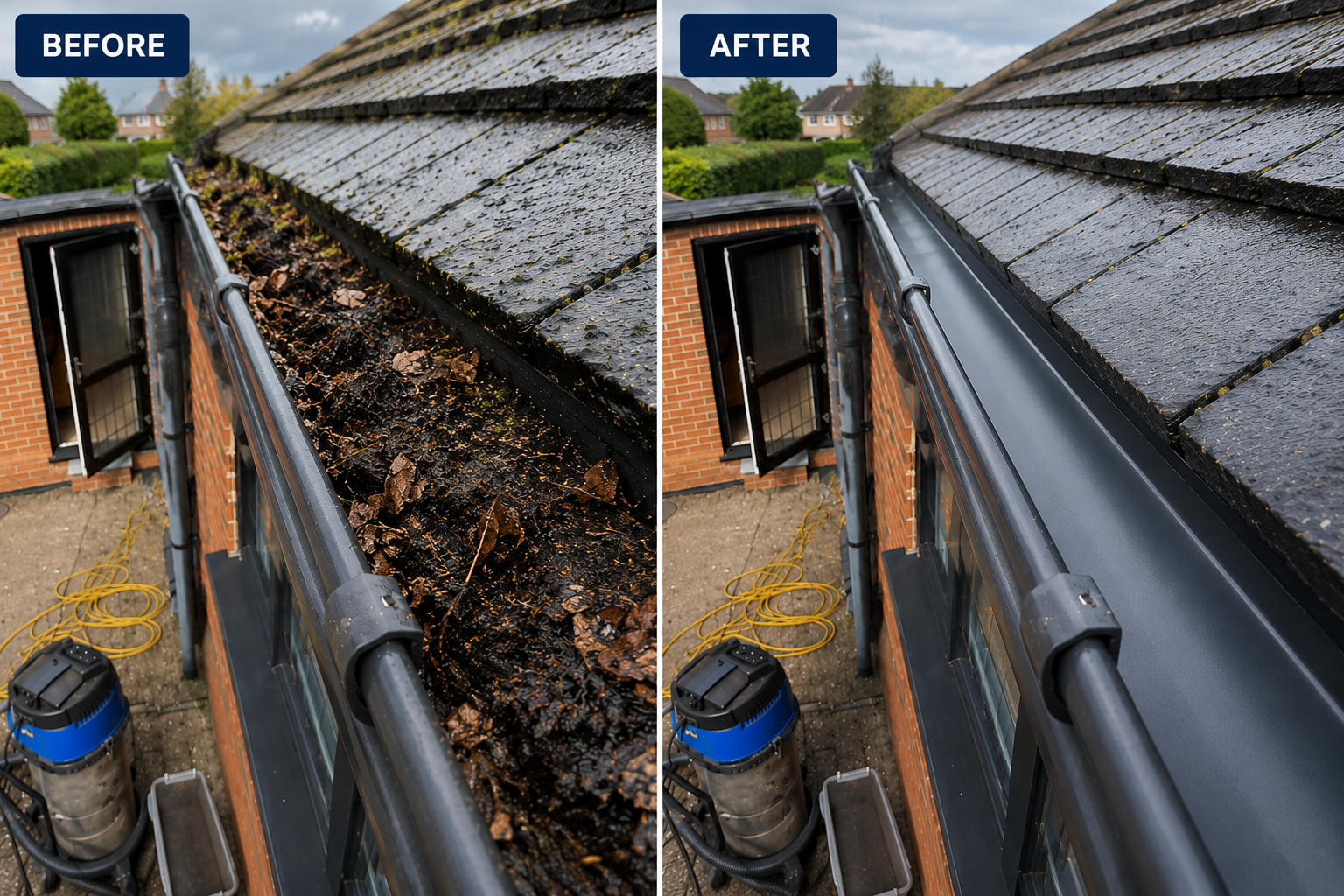
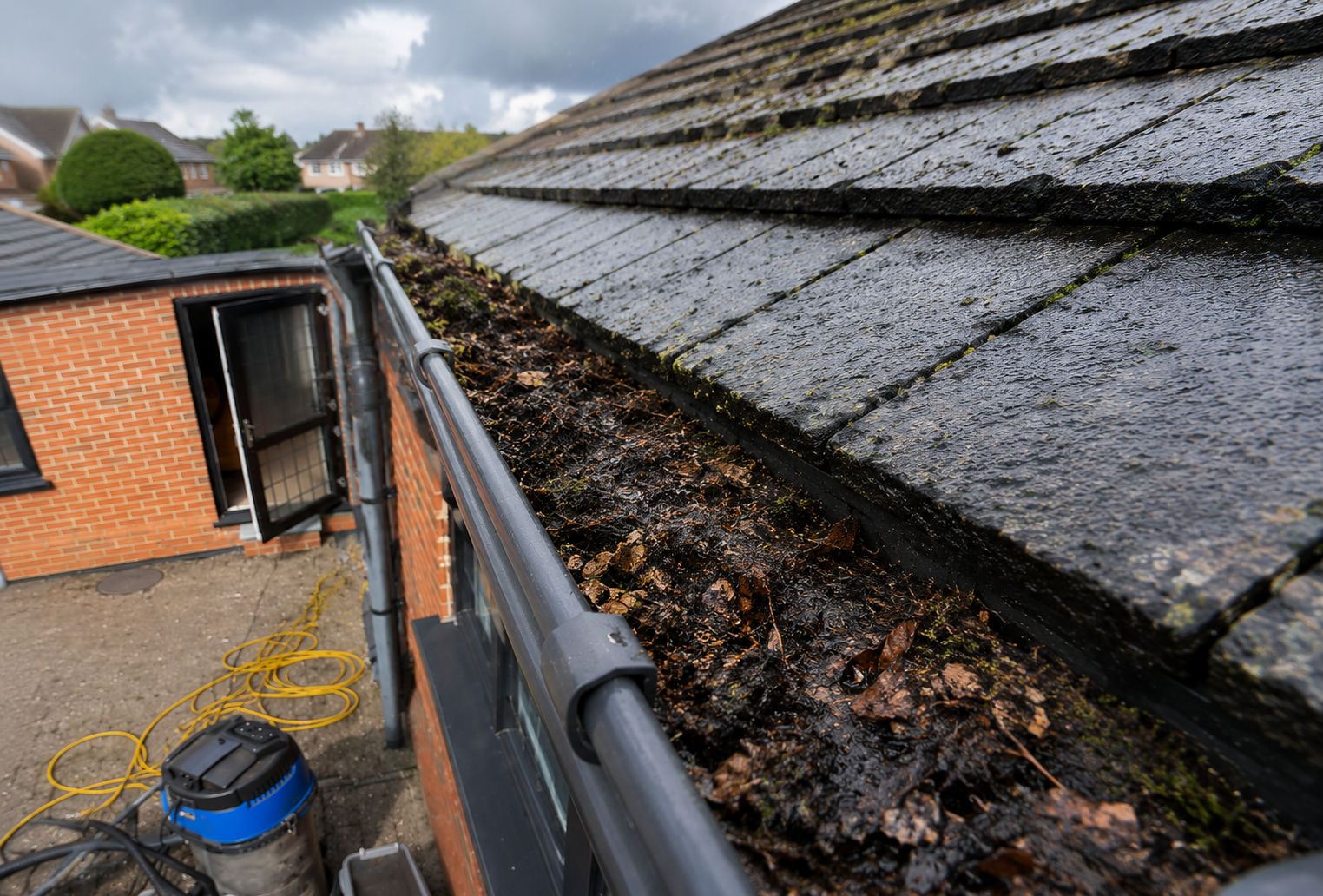
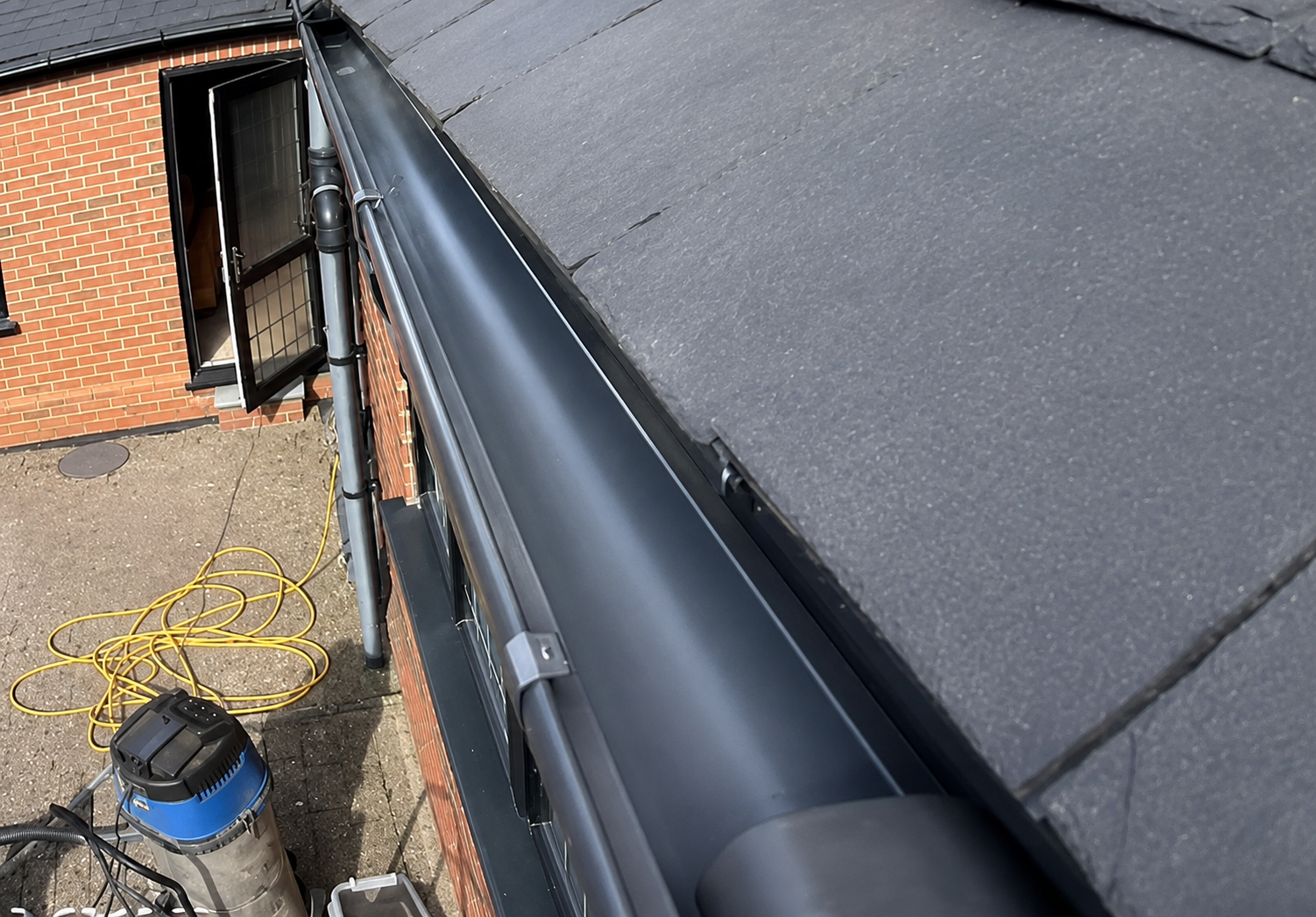
WOW Gutters Ltd provides professional gutter inspection and cleaning across Birmingham and the West Midlands, using real-time camera technology that replaces guesswork with a genuine, evidence-based understanding of your property's condition. Ground-based vacuum system. No ladders. Before and after photographs on every job without exception. Fully insured professional team.
FIND OUT BEFORE IT FINDS YOU
Water damage accumulates quietly, in the parts of your home you never look at directly. Get an evidence-based answer about your property's real condition. Free quote · Before and after photos · Fully insured.
📞 Call: 07421 433910
📧 Email: support@wowgutters.co.uk
🌐 wowgutters.co.uk
📋 Get a free quote: wowgutters.co.uk/quote
Serving Birmingham, Solihull, Sutton Coldfield, Edgbaston, Harborne, Kings Heath, Moseley, Bournville, Erdington, Wolverhampton, Dudley, Walsall, West Bromwich, Coventry, Redditch, Bromsgrove, Worcester, Kidderminster and all West Midlands areas.
Related Guides
- The One Home Maintenance Task Birmingham Homeowners Consistently Miss Each Summer
- What Your Gutters Are Trying to Tell You This Summer
- Hidden Gutter Damage Is Easier to Spot in Summer
- How Dry Summer Weather Makes Gutter Inspections Easier
- Can Blocked Gutters Cause Damp?
- How Professional Gutter Cleaning Extends the Life of Your Roofline
- How Clean Gutters Help Protect Your Home Throughout the Year
- Why Every Birmingham Home Needs a Gutter Health Check This Summer
- The Home Maintenance Job Most Birmingham Homeowners Forget Every Summer
- Birmingham Gutter Maintenance Calendar