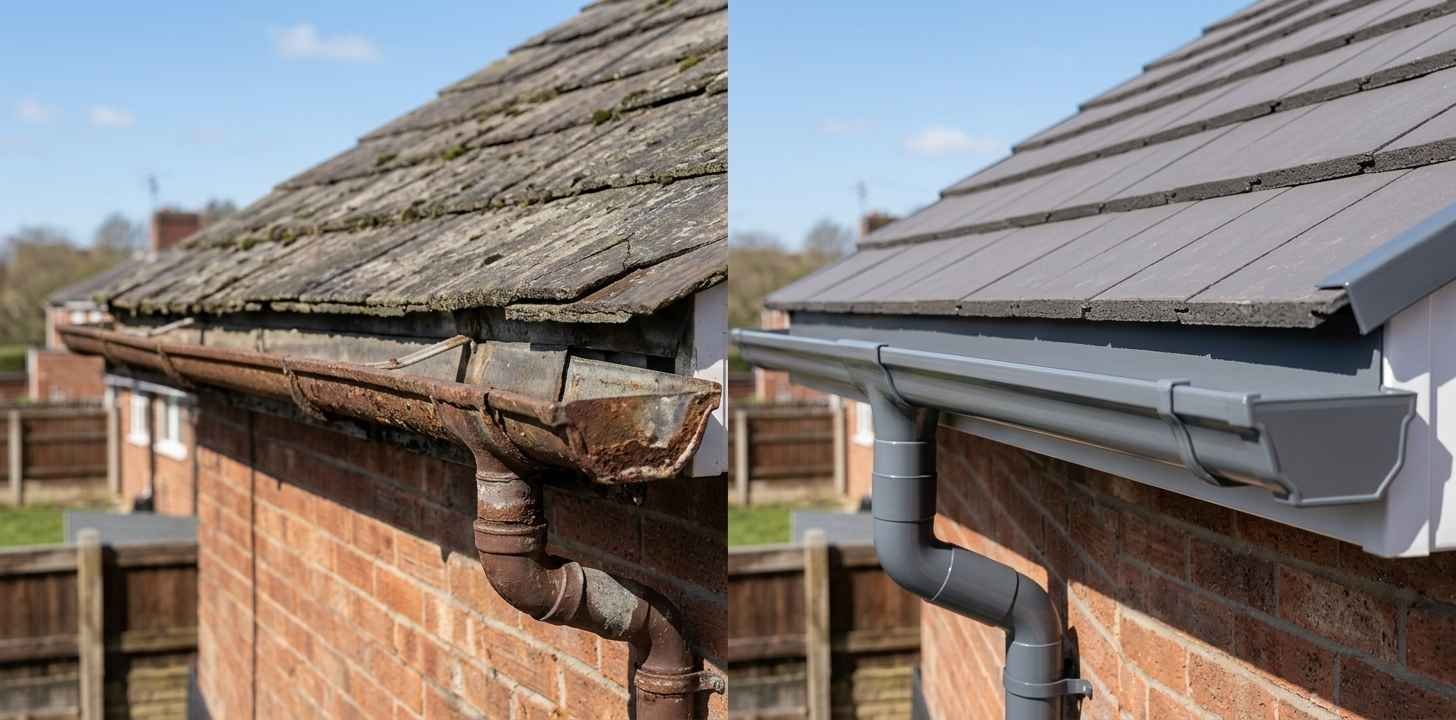

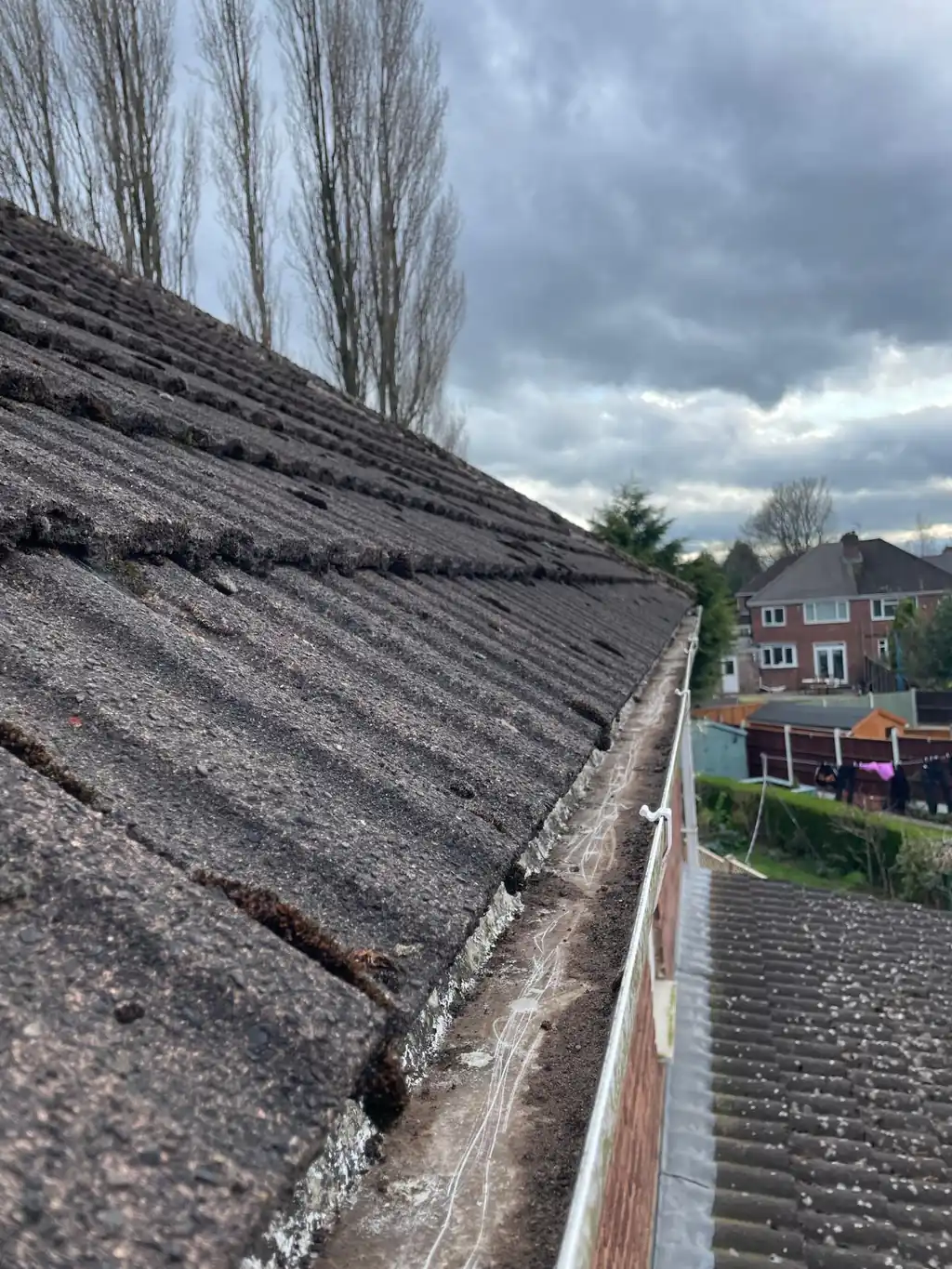
Your gutters have been talking to you all summer. Most homeowners just don't know how to listen.
It's not dramatic. There's no single obvious moment where a gutter announces a problem clearly enough that everyone notices. Instead there's a slight staining pattern on a fascia board that's been there for weeks. A patch of algae on a wall face that wasn't there last year. A faint musty smell in an upstairs room on humid days that nobody's connected to anything. A downpipe that gurgles slightly during a summer shower instead of running clean. Small things. Easy to miss. Easy to explain away.
Every one of them is a signal. And in summer — dry, bright, quiet conditions with no rainfall to mask what's happening — these signals are more visible and more readable than at any other point in the year. The trouble is that most people don't know what they're looking at, so they walk past evidence that's been sitting in plain sight for months.
This article is a translation guide. Here's what your gutters are actually telling you this summer, sign by sign, and what each one means for the season ahead.
📞 WOW Gutters Ltd — Birmingham's gutter cleaning specialists: 07421 433910
Table of Contents
- Why Summer Is When Your Gutters Speak Most Clearly
- The Visual Signs — What to Look For From the Ground
- The Sound Signs — What Your Gutters Sound Like When Something's Wrong
- The Smell Signs — When Your Nose Knows Before Your Eyes Do
- The Behavioural Signs — How Water Moves When It Shouldn't
- What to Do With Each Signal
- FAQ: Reading Gutter Warning Signs in Summer
Why Summer Is When Your Gutters Speak Most Clearly
In autumn and winter, everything about a gutter system is obscured by the same thing — water. Rain runs down every surface constantly. Staining that would otherwise be a clear signal gets lost in general dampness. Sounds that would otherwise be distinct get buried under the noise of rainfall itself. And by the time a problem becomes visible enough to notice in winter, it's usually because the problem has already caused damage rather than simply warned you it was developing.
Summer removes all of that interference. Dry surfaces hold their evidence clearly. Quiet weather means unusual sounds stand out. And the absence of constant rainfall means that when something does happen — a gurgle during a shower, a trickle where there shouldn't be one — it's isolated and noticeable rather than lost in the noise of an ongoing downpour.
This is why the guide covered in How Dry Summer Weather Makes Gutter Inspections Easier explains that professional inspections are more accurate in summer. The same principle applies to what you, as a homeowner, can notice yourself without any special equipment — just by paying attention to what's actually in front of you.
The signs described below have been building since spring. Most of them are still small enough right now to be inexpensive to address. That changes the moment autumn rain arrives and starts testing every one of them at full pressure.
The Visual Signs — What to Look For From the Ground
A Stain That Follows a Straight Line Down the Wall
If you look at the wall directly beneath a section of gutter and see a vertical stain — a distinct line of discolouration running from the gutter edge down toward the ground — your gutter is telling you it has been overflowing repeatedly at that specific point, not just once during a heavy shower but consistently, over multiple rainfall events.
This is different from general weathering, which tends to be diffuse and even across a wall surface. A straight, localised stain has a specific cause at a specific location — almost always a blocked section, a failing joint, or a low point in the gutter run directly above it.
What it means: Water has been finding an escape route at that exact spot for some time. The longer it continues, the more the mortar and brickwork beneath it deteriorates, and the closer that section gets to the penetrating damp problems described in Can Blocked Gutters Cause Damp?
A Dark, Localised Patch on the Fascia Board
The fascia board — the horizontal board directly behind your gutters — should be a consistent colour along its entire length. A dark patch at one specific point, particularly one that looks slightly damp or has a different sheen to the surrounding board, is one of the clearest signals your gutter system can give you.
As covered in detail in Hidden Gutter Damage Is Easier to Spot in Summer, this specific kind of localised staining is the dry-weather signature of a failing joint directly above it. Water has been tracking through the joint seal and running down the back of the gutter onto the fascia board — invisible from most angles, but detectable if you know to look for the discolouration it leaves behind.
What it means: A joint needs resealing. Left alone, the fascia board behind it will begin to soften — the process explained fully in How Professional Gutter Cleaning Extends the Life of Your Roofline.
Green Growth Where There Shouldn't Be Any
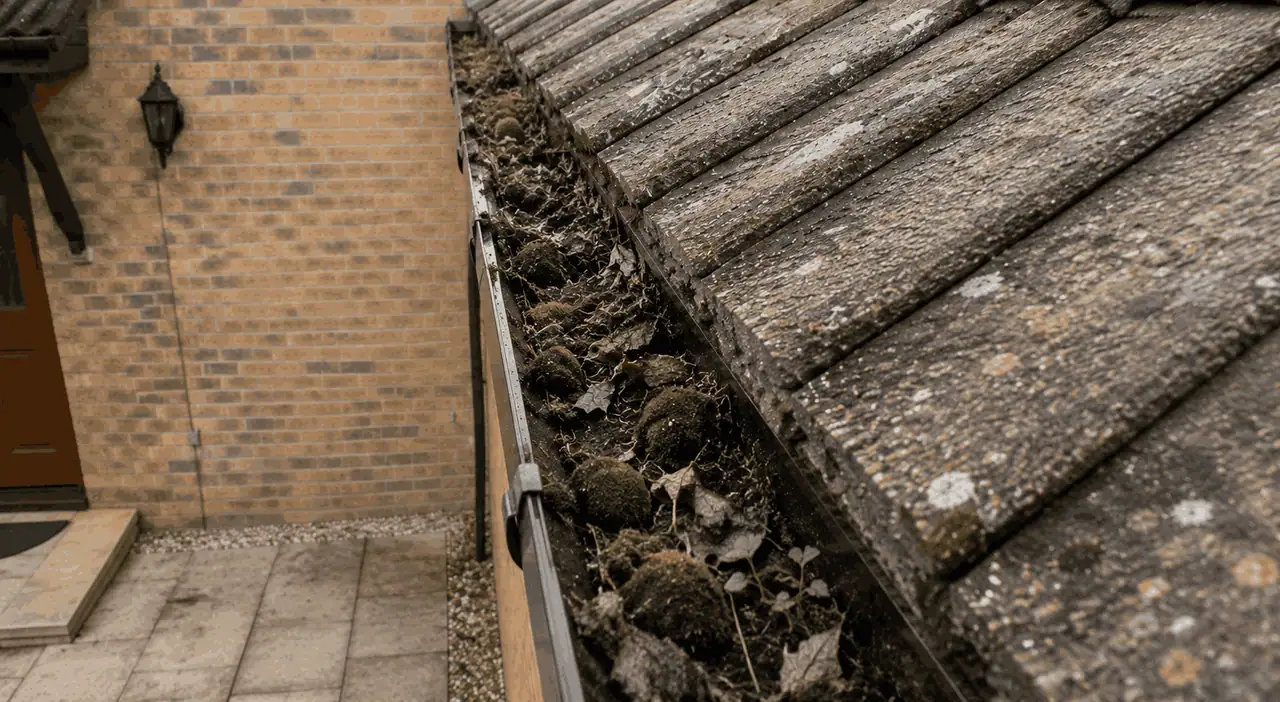
Algae or moss growing on a wall face, on the fascia board itself, or visibly inside the gutter channel where you can see it from below, is telling you that water has been sitting somewhere it shouldn't for long enough to support biological growth. Algae and moss both need sustained moisture — they don't establish from a single wet day, they establish from weeks or months of a surface staying consistently damp.
What it means: There's a low point, a blocked section, or a persistent leak somewhere nearby. The specific location of the growth tells you roughly where to look. If your roof itself shows significant moss coverage, our roof cleaning and moss removal service addresses the source directly.
Plants Growing From the Gutter Line
If you can see anything green sprouting from the gutter edge itself — not moss, but actual small plants with visible stems — your gutter is telling you it has been holding compacted, moisture-retaining debris for long enough that seeds have germinated and rooted in it. This doesn't happen quickly. It requires sustained organic matter and consistent moisture across multiple seasons.
What it means: The gutter hasn't been properly cleared in a considerable time, and the accumulated debris is now dense enough to be adding real weight to the brackets holding the gutter in place.
A Gutter Section That Doesn't Sit Level
Stand back from your property and look along the line of the gutter against the roofline. It should run in a smooth, consistent line. Any section that visibly dips, sags, or sits at a different angle to the sections either side of it is telling you a bracket has failed or is failing.
What it means: That section is holding standing water permanently, adding weight, and is at risk of pulling away from the fascia entirely if it isn't corrected before an autumn gutter loaded with wet leaves adds further stress.
The Sound Signs — What Your Gutters Sound Like When Something's Wrong
Most homeowners never think about what their gutters sound like. But sound is one of the clearest signals available, particularly during a light summer shower when there's no competing noise from heavy, sustained rainfall.
A Gurgling Sound From the Downpipe
Water flowing freely through a downpipe is close to silent — a smooth, continuous sound with no interruption. A gurgling, spluttering, or intermittent sound during rainfall means air is being drawn into the flow at a point where it shouldn't be, which happens specifically at a partial blockage.
What it means: Your downpipe has a partial restriction — exactly the kind of hidden defect described in Hidden Gutter Damage Is Easier to Spot in Summer as functional in light rain but liable to fail completely under a heavy autumn downpour. Our downpipe unblocking service addresses this directly.
A Splashing Sound Where You Wouldn't Expect One
If you hear water splashing against a hard surface — a path, a patio, a windowsill — during light rain, rather than the quiet sound of water running through a gutter and down a downpipe, your gutter is overflowing at that point. In light rain, this is a strong signal, because a functioning gutter shouldn't be anywhere near its capacity during a modest shower.
What it means: There's a significant blockage or a structural low point at that section, and it's already failing under conditions far lighter than what autumn will deliver.
Silence Where There Should Be Sound
Occasionally the signal is an absence rather than a presence. If you know a particular downpipe should be carrying water during rain and you can't hear anything at all near the base of it, the pipe may be completely blocked — with all the water finding an alternative route, usually overflowing somewhere higher up that you haven't noticed yet.
What it means: A complete blockage that needs professional clearance before it causes overflow damage at a point further up the system.
The Smell Signs — When Your Nose Knows Before Your Eyes Do
This is the signal most homeowners never connect to their gutters at all, because the smell shows up somewhere entirely different from the source.
A Musty Smell in an Upstairs Room, Particularly on Humid Days
If a bedroom, landing, or loft space has developed a faint musty smell that seems to come and go with humidity, and there's no obvious source inside the room itself, this can be one of the earliest indicators of moisture reaching the building fabric from outside — often long before any visible staining appears on the internal wall.
What it means: Water is very likely tracking in from an external source — a gutter joint failure, an overflow point, or a compromised roof edge — as explained in detail in Can Blocked Gutters Cause Damp?. The smell often precedes visible internal damage by weeks or months, which makes it one of the most valuable early warning signs available if you know to pay attention to it.
A Damp, Earthy Smell Near an External Wall
Standing near an external wall on a still day and noticing a damp, earthy smell — distinct from normal garden smells — can indicate that the ground at the base of the wall is being kept consistently wet by a downpipe that isn't discharging correctly, or by gutter overflow running down that section of wall repeatedly.
What it means: Water is being deposited at the base of your foundations rather than being carried away to a proper drainage point — a risk factor for the kind of ground saturation covered in How Clean Gutters Help Protect Your Home Throughout the Year.
The Behavioural Signs — How Water Moves When It Shouldn't
These are the signs you notice specifically during or immediately after rainfall — the actual behaviour of water around your property.
Water Running Down the Wall Instead of Through the Downpipe
This is the clearest and most obvious sign of all, and yet it's routinely dismissed as normal by homeowners who assume all gutters overflow a little in heavy rain. They shouldn't. A properly functioning gutter, cleared and structurally sound, should carry the water from even a heavy Birmingham downpour through to the downpipe without visible overflow at any point.
What it means: If you can see water running down the face of your wall during rain — anything more than the occasional light drip — your gutter is telling you it cannot currently handle the volume of water it's receiving. This is exactly the scenario detailed across our guide to preparing gutters before Birmingham's autumn leaves arrive — and if it's happening now, in a light summer shower, it will be considerably worse under autumn's heavier and more sustained rainfall.
Puddles Forming in the Same Spot After Every Rainfall
If you notice standing water collecting in the same place near your property after every rain shower — a patch of garden, a section of path, a spot near the foundation — your downpipe outlet is very likely discharging water in the wrong place, or discharging insufficiently due to a partial blockage.
What it means: Water isn't being carried away to proper drainage. It's accumulating locally, repeatedly, which over time contributes to the kind of ground saturation risk near foundations covered in our roofline protection guide.
Water Taking Longer Than It Should to Clear After Rain Stops
A functioning gutter system should stop actively draining within a few minutes of rain stopping. If you notice water is still visibly running from a downpipe, or a gutter section is still audibly draining, well after the rain has clearly ended, there's a capacity issue somewhere in the system — most likely the silt accumulation described in Hidden Gutter Damage Is Easier to Spot in Summer, which reduces the effective channel depth without producing any other visible symptom.
What it means: Your gutter has less capacity than it should, and that capacity gap will be tested hard when autumn's rainfall volume arrives.
What to Do With Each Signal
Individually, any one of these signs might seem too minor to act on. Together, they build a clear picture of what's happening to your gutter system right now, in summer, while conditions are good enough to do something about it properly.
If you've noticed any single sign from this list, it's worth a call. If you've noticed two or more, it's worth treating as a priority — because multiple signals typically indicate a system under genuine, developing stress rather than an isolated minor issue.
The action itself is straightforward. A professional inspection — the kind detailed in Why Every Birmingham Home Needs a Gutter Health Check This Summer — identifies exactly which of these signals corresponds to which underlying cause, and addresses it while summer conditions still make the repair straightforward and reliable.
WOW Gutters Ltd carries out every inspection using an industrial-grade SkyVac vacuum system operating entirely from the ground, with real-time camera inspection that sees inside the gutter channel — confirming precisely what each external sign is telling you, rather than leaving you to guess.
📞 Call to book: 07421 433910
📧 Email: support@wowgutters.co.uk
BOOK YOUR GUTTER INSPECTION
Free quote — no hidden charges. Real-time camera inspection included.
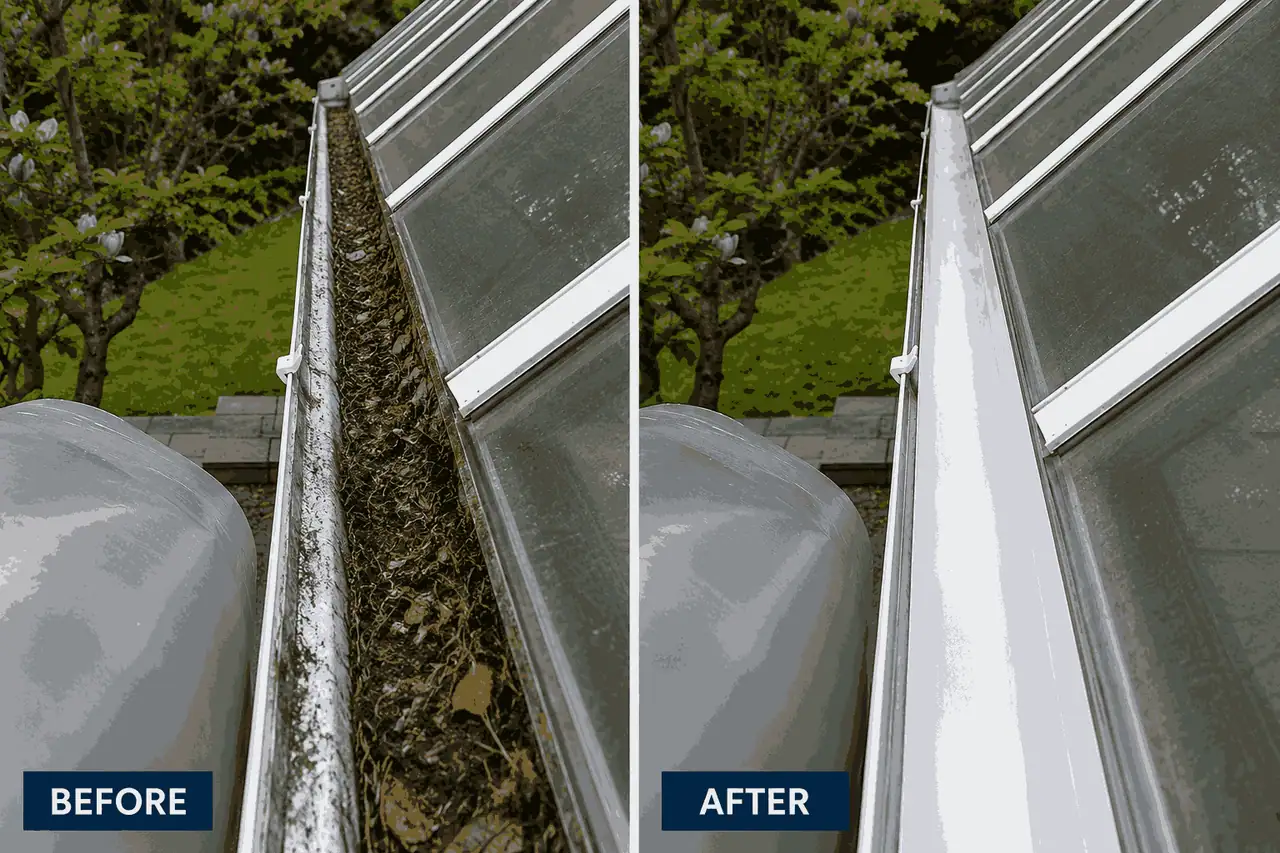
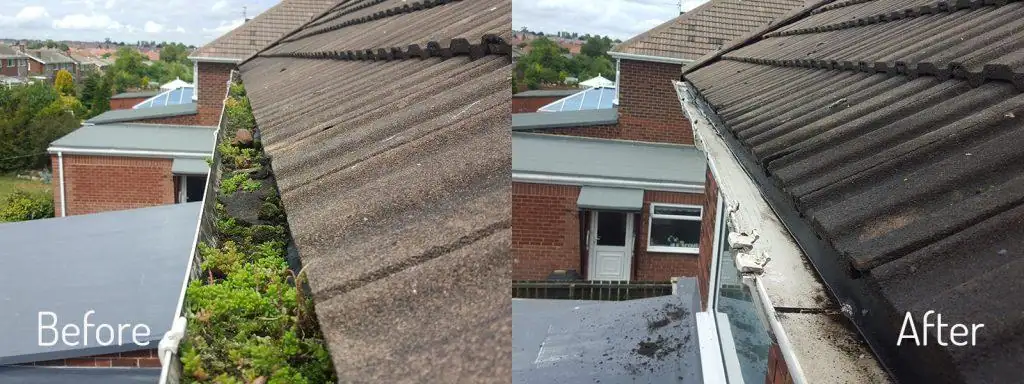
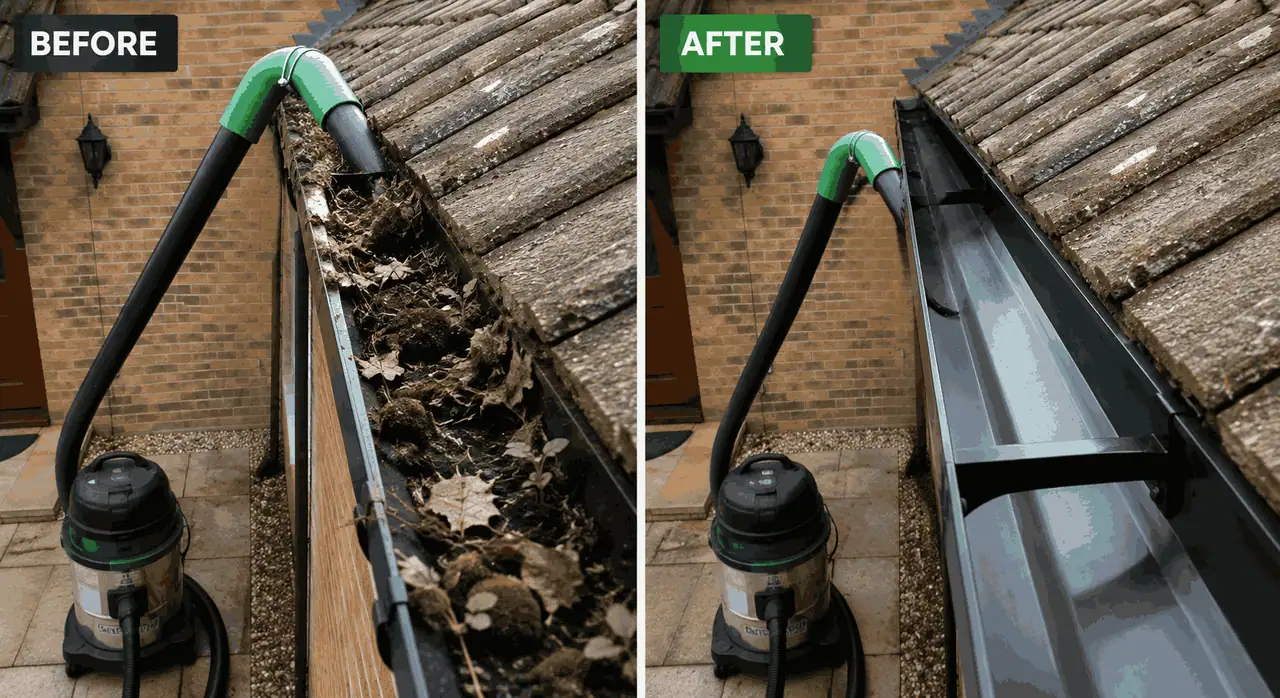
Real Summer Gutter Job — Before and After
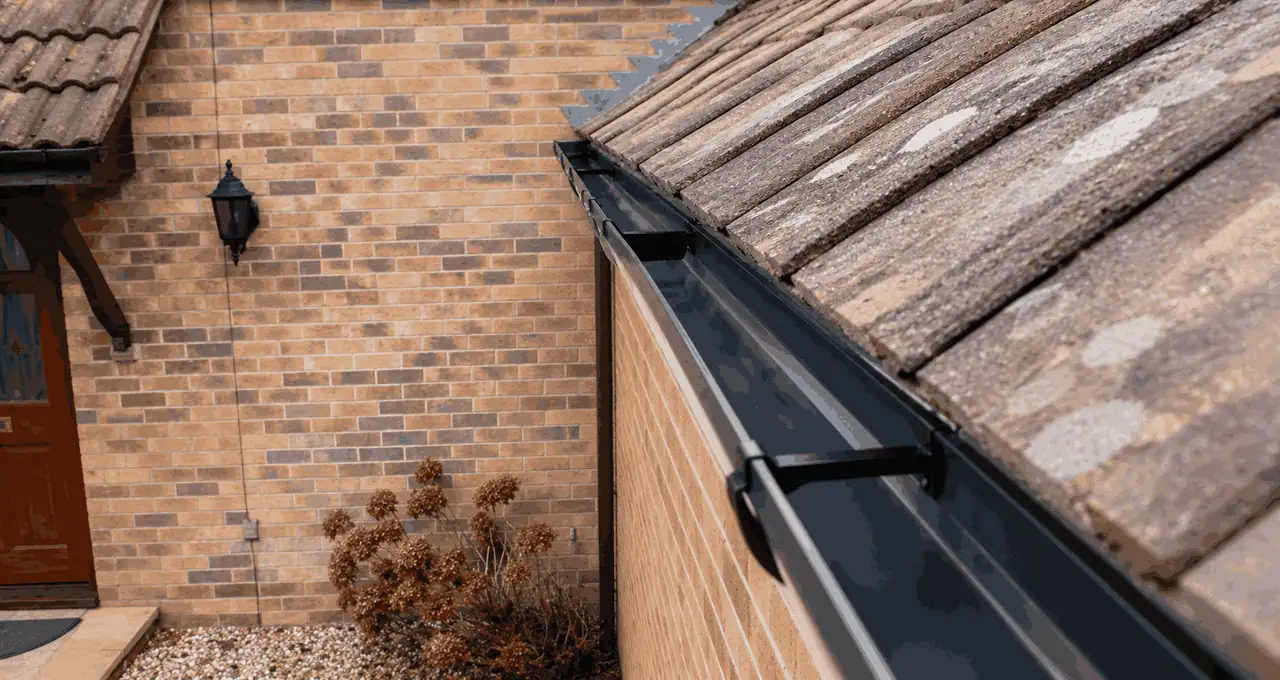
The photographs below show a Birmingham property where multiple warning signs were present — a dark fascia stain, visible overflow points, and slow drainage after rainfall. One professional visit identified every issue and resolved it while summer conditions made the work straightforward.